




5 Simple Lifestyle Habits to Help Manage High Blood Pressure Daily
October 28, 2026
Receiving a high blood pressure diagnosis can feel overwhelming, but it is also a powerful opportunity to take control of your long-term cardiovascular health. Hypertension is often dubbed a silent condition because it damages blood vessels quietly over time without obvious symptoms.
While medication management and regular refills from your primary care provider are essential pillars of treatment, your daily lifestyle choices play a massive role in balancing your numbers. Implementing these five straightforward habits can help protect your heart and enhance your overall well-being.
- Reframe Your Approach to Sodium and Potassium
Reducing your intake of heavily processed foods and restaurant meals is the fastest way to lower hidden dietary sodium. However, managing blood pressure is not just about what you eliminate; it is also about what you add. Focus on increasing your consumption of potassium-rich whole foods like leafy greens, avocados, and sweet potatoes. Potassium naturally counteracts the effects of sodium and relaxes the walls of your blood vessels. - Introduce Consistent, Moderate Movement
You do not need to train for a marathon to experience the cardiovascular benefits of exercise. Engaging in thirty minutes of moderate activity—such as brisk walking, cycling, or swimming—five days a week can significantly lower your blood pressure. Consistent movement strengthens your heart muscle, allowing it to pump blood with less effort and less pressure on your arteries. - Practice Intentional Stress Decompression
Chronic emotional stress keeps your nervous system in a constant state of high alert, causing your heart rate to rise and blood vessels to constrict. Dedicating just ten minutes a day to active stress management can make a measurable difference. Experiment with deep diaphragmatic breathing exercises, mindfulness meditation, or quiet time outdoors to lower your stress hormones naturally. - Prioritize Restful, Uninterrupted Sleep
Your blood pressure naturally drops during deep sleep, a process known as dipping. If you experience poor sleep quality or suffer from untreated conditions like sleep apnea, your blood pressure remains elevated for longer periods. Aim for seven to eight hours of high-quality sleep per night by maintaining a consistent bedtime schedule and keeping your bedroom cool and dark. - Keep an Accurate Home Tracking Log
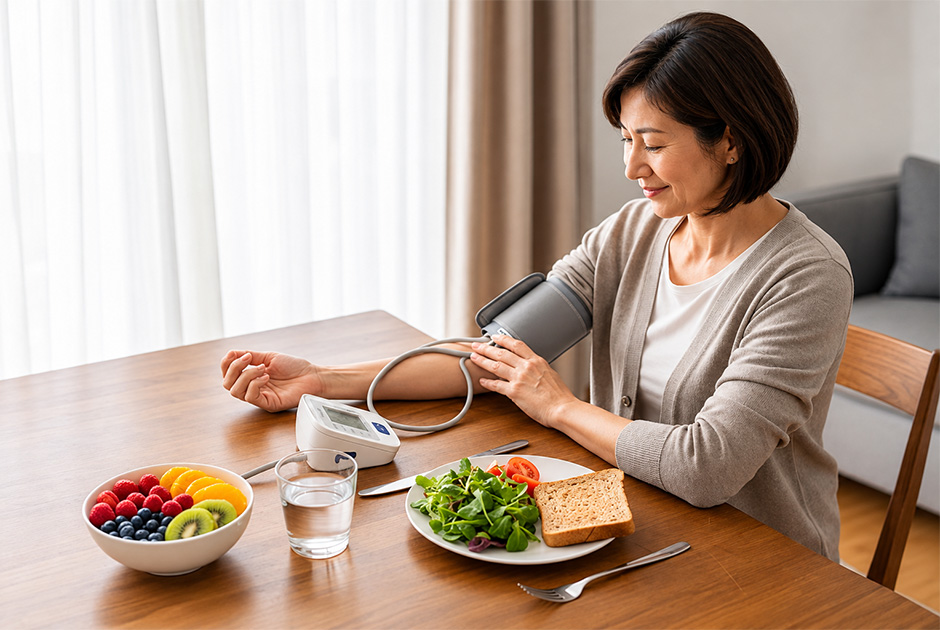
Blood pressure fluctuates throughout the day based on movement, stress, and food intake. Relying strictly on occasional measurements taken during clinic sick visits or routine checkups can give an incomplete picture. Invest in a validated home blood pressure cuff. Measure your numbers at the same times each day, write them down, and bring the log to your next consultation. This data helps your care team fine-tune your treatment plan with maximum precision.